The Complete Guide to Candle Wax Types: Soy, Paraffin and Beeswax
The first candle I ever made was a disaster. I had melted what I thought was a perfectly measured block of paraffin wax, poured it confidently into a mason jar, and gone to bed feeling rather pleased with myself. The next morning I found a sunken, cratered mess with a wick that had shifted completely to one side, looking less like a handcrafted candle and more like a failed geological experiment. What nobody had told me – and what I wish someone had explained clearly from the beginning – was that the type of wax you choose affects absolutely everything: how you pour, at what temperature, how the candle cools, how it smells, and how long it burns.
If you are just starting out with candle making in the UK, the sheer number of wax options can feel genuinely overwhelming. You will find yourself on websites like Cosy Owl, The Candle Makers Store, or Aussie Candle Supplies UK, staring at drop-down menus listing soy wax flakes, paraffin blends, beeswax sheets, coconut wax, rapeseed wax, and various proprietary blends. The temptation is to simply pick the cheapest option and hope for the best. But spending a little time understanding what each wax actually is, how it behaves, and what it is best suited for will save you a considerable amount of money, frustration, and wasted fragrance oil.
This guide focuses on the three most widely used waxes among UK hobbyist and small-batch candle makers: soy, paraffin, and beeswax. Each has a distinct character, a different set of strengths, and some genuine limitations that no amount of enthusiasm can fully overcome. Getting to know them properly is the most practical thing you can do before you buy so much as a single bag of wax flakes.
Soy Wax: The Popular Choice for Beginners
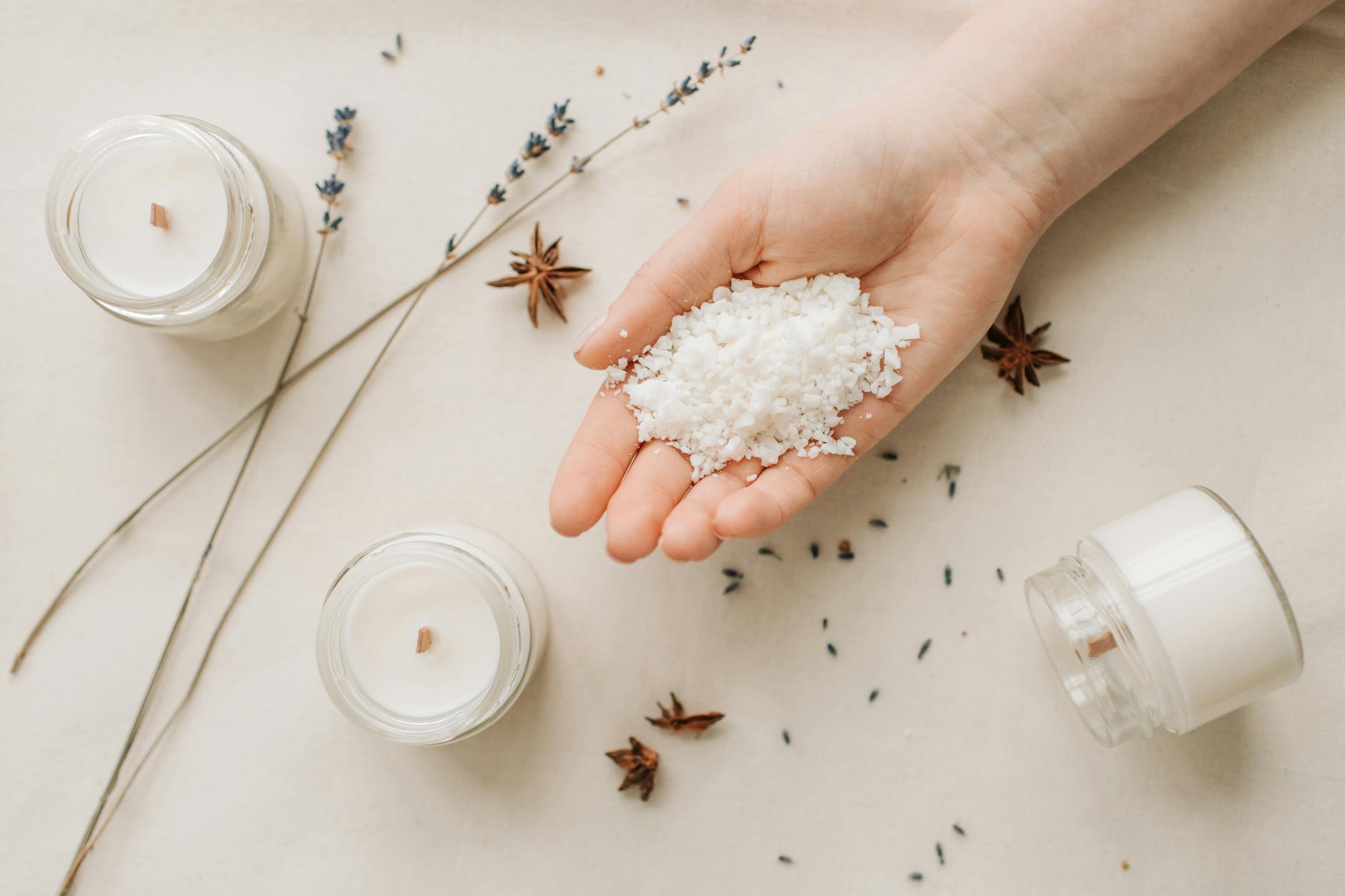
Soy wax is, without question, the most popular starting point for new candle makers in the UK right now. It is made from hydrogenated soybean oil, which means it is plant-based, biodegradable, and generally considered a more environmentally responsible choice than petroleum-derived waxes. Whether you are selling at a craft market in Brighton, gifting candles at Christmas, or simply making them for your own living room in Manchester, soy wax has an appealing story that resonates with a lot of people.
From a purely practical standpoint, soy wax is forgiving. It melts at a relatively low temperature – typically between 46°C and 68°C depending on the specific formulation – which means you are less likely to overheat it dangerously or scorch your fragrance oils. It also cleans up with hot soapy water, which anyone who has tried to scrub hardened paraffin off a hob can tell you is an enormous quality-of-life advantage.
There are, however, some quirks to soy wax that catch beginners off guard. The first is frosting. If you have ever seen a white, powdery film developing on the top or sides of a finished soy candle, that is frosting – a perfectly natural characteristic of natural soy wax as it recrystallises. It does not affect burn performance, but if you are making candles to sell, it can look sloppy to an untrained eye. Pouring at slightly lower temperatures and keeping candles away from cold draughts while they cure can help reduce frosting, though rarely eliminate it entirely.
The second quirk is scent throw. Soy wax has a reputation for producing a weaker hot throw – the amount of fragrance released while the candle is burning – compared to paraffin. This is partly true, and partly a matter of technique. Using a fragrance load of around 8-10% by weight (so 80-100g of fragrance oil per 1kg of wax), ensuring you add your fragrance oil at the right temperature (usually around 65°C for most soy waxes), and allowing your candles to cure for a full 48 to 72 hours before testing can make a significant difference to the final result.
In the UK, popular soy wax options include Golden Brands 464 (imported but widely available through UK suppliers), EcoSoya CB Advanced, and various own-brand soy blends from suppliers like Cosy Owl and The Candle Makers Store. If you are particularly conscious of sourcing, it is worth checking whether the soy is certified non-GMO, as this can matter both to you personally and to customers if you go on to sell.
Paraffin Wax: The Traditional Workhorse
Paraffin wax has been the backbone of commercial candle production for well over a century, and there are very good reasons it remains so widely used today. Derived from petroleum refining, it is relatively inexpensive, highly consistent in its behaviour, and – crucially – brilliant at holding and releasing fragrance. If you have ever burned a strongly scented candle in a shop and thought “how do they get it to smell so powerful?”, the answer is almost certainly paraffin, or a blend with a significant paraffin content.
The criticism levelled at paraffin most often is that it is not a natural product and that it releases soot when burned. Both are fair points, though context matters. The soot issue is largely mitigated by using the correct wick size, keeping wicks trimmed to around 5mm before each burn, and avoiding draughts. As for the natural product argument, that is ultimately a personal and marketing decision. Many professional candle makers in the UK use paraffin or paraffin blends without apology, because the finished product simply performs exceptionally well.
Paraffin comes in different grades, typically defined by their melting point, and choosing the right one matters:
- Low melt point paraffin (around 46-52°C): Best for container candles. Soft enough to adhere to the sides of a glass jar and create a good melt pool.
- Mid melt point paraffin (around 52-58°C): A versatile all-rounder that can be used for containers and some pillar applications.
- High melt point paraffin (around 58-68°C and above): Designed for freestanding pillar candles, votives, and tealights that need to hold their shape at room temperature.
One of the practical advantages of paraffin for beginners is that it is less prone to frosting than soy, produces a smoother surface finish, and tends to give more consistent results across batches. If you are trying to learn the fundamentals of candle making – understanding fragrance loads, wick sizing, pour temperatures, cure times – paraffin’s predictable behaviour makes it an excellent teaching material. Some instructors at UK candle making workshops, particularly those run through craft centres in places like the Yorkshire Dales or the Cotswolds, deliberately start students on paraffin for exactly this reason.
UK suppliers such as Candle Shack (based in East Kilbride, Scotland) and NI Candle Supplies stock a good range of paraffin grades, with clear guidance on which suits which candle type. Buying in 5kg or 10kg blocks is typically the most cost-effective approach when you are starting out.
Beeswax: The Ancient and Aromatic Option
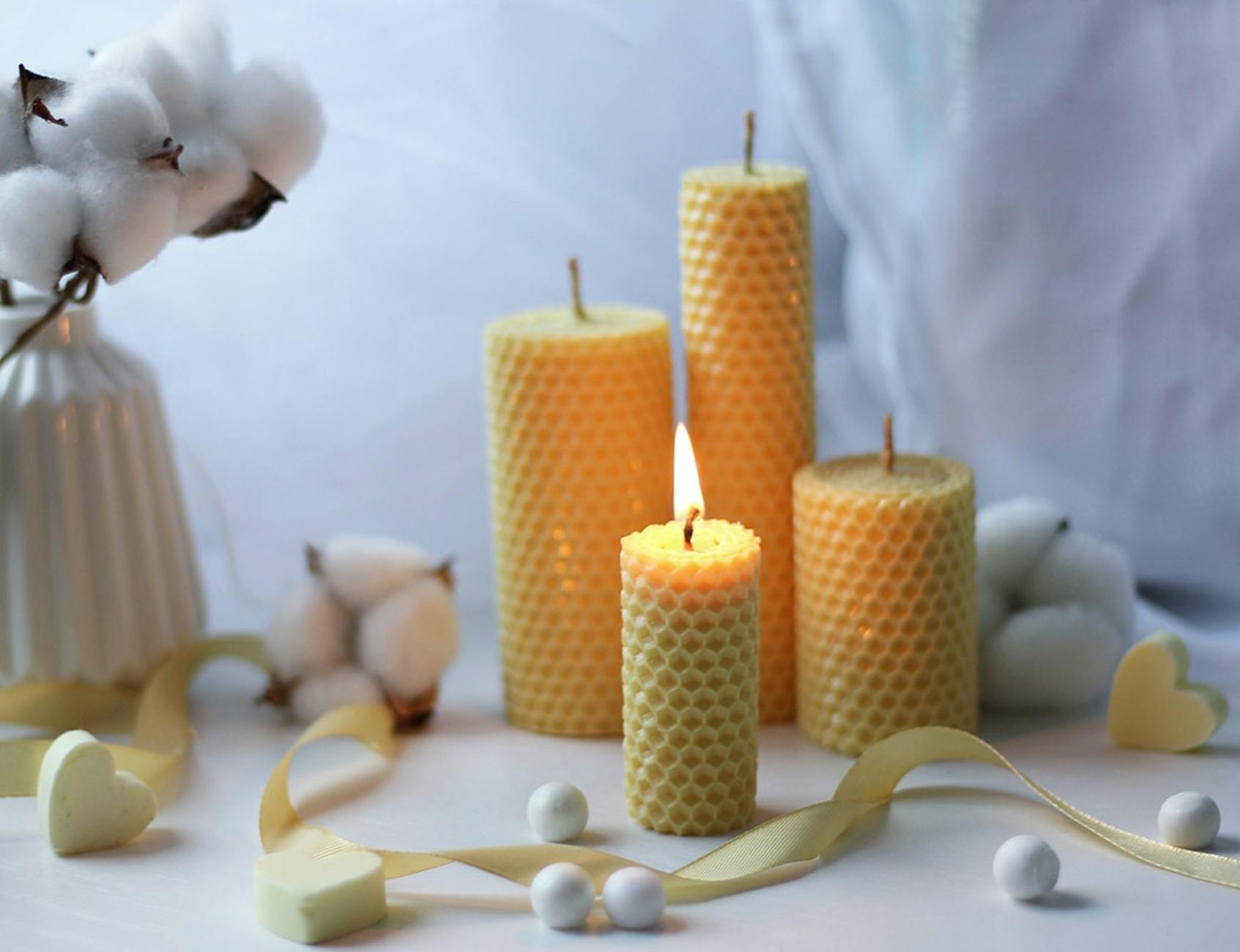
Beeswax is the oldest candle-making material known to human history, and spending an evening with a block of raw, unbleached beeswax – its deep honey scent filling whatever room you happen to be working in – gives you an immediate sense of why it has endured for thousands of years. It is a completely natural product, produced by honeybees as a by-product of honey production, and it carries with it a quality and character that synthetic waxes simply cannot replicate.
In practical terms, beeswax has some outstanding properties. It burns longer and cleaner than either soy or paraffin of equivalent weight. It has a naturally high melting point (around 62-65°C), which means finished candles are less likely to soften in warm rooms during a British summer. It also emits negative ions when burned, which some people believe helps to purify air, though the evidence for significant air purification in a domestic setting is modest at best.
The limitations of beeswax are also real and worth understanding before you commit to it. First, and most significantly, it is expensive. At the time of writing, raw beeswax from UK producers typically costs between £8 and £15 per kilogram, compared to £2-4 per kilogram for basic paraffin or soy. If you are planning to make large volumes of candles, the cost adds up quickly. Second, beeswax is not well-suited to heavy fragrance loading. Its natural scent is already quite pronounced, and adding heavy floral or fruity fragrance oils often creates an unpleasant clash rather than a pleasant blend. Beeswax candles are, more often than not, best appreciated in their natural, unscented state or with very light additions of essential oils such as lavender or frankincense.
Third, beeswax requires higher pouring temperatures and can be prone to cracking as it cools if the ambient temperature drops too sharply. Pouring in a warm room, away from open windows, and considering a second pour to fill any sinkholes is standard practice with beeswax pillar candles.
For UK makers particularly interested in beeswax, it is well worth seeking out local suppliers. British honey producers often sell raw beeswax directly, and organisations like the British Beekeepers Association (BBKA) can point you towards local apiaries. Buying British beeswax supports domestic beekeepers, reduces air miles, and often means getting a higher-quality product than imported alternatives. Rolled beeswax sheets – which require no melting at all – are also a wonderful entry point for absolute beginners or for making candles with children, as they simply roll around a wick without any heat involved.
Comparing the Three: A Practical Overview
It is useful to see these three waxes side by side when you are making your initial buying decision. Here is a straightforward breakdown based on the most important practical considerations for beginners:
- Cost: Paraffin is the most affordable, followed by soy, with beeswax being
the most expensive of the three by a considerable margin. If you are working to a tight budget, paraffin or soy will serve you well to start with. - Ease of use: Paraffin is the most forgiving for beginners due to its predictable melting and setting behaviour. Soy requires a little more patience with temperature control, while beeswax demands the most attention, particularly when it comes to achieving a good scent throw and an even burn.
- Scent throw: Paraffin produces the strongest hot throw, making it ideal if you want a fragrance to fill a room quickly. Soy offers a cleaner, subtler scent experience, and beeswax, while naturally fragrant on its own, can be more resistant to added fragrance oils.
- Environmental considerations: Soy wax is widely regarded as the most sustainable option, particularly when sourced responsibly. Beeswax is natural but raises questions around bee welfare and supply chains. Paraffin, as a petroleum by-product, carries the largest environmental footprint of the three.
- Burn time: Beeswax burns the longest, followed closely by soy, with paraffin generally offering the shortest burn time. This is worth factoring in when calculating the value for money of each wax type.
None of these waxes is universally superior. The right choice depends entirely on what you are trying to achieve. A candlemaker selling at local markets might prioritise fragrance strength and low cost, making paraffin a sensible starting point. Someone building a small business around natural or organic products may find that soy or beeswax aligns better with their brand values and their customers’ expectations. Many experienced makers eventually work with all three, blending them in some cases to combine the best qualities of each — paraffin and soy blends, for instance, are common in the trade for exactly this reason.
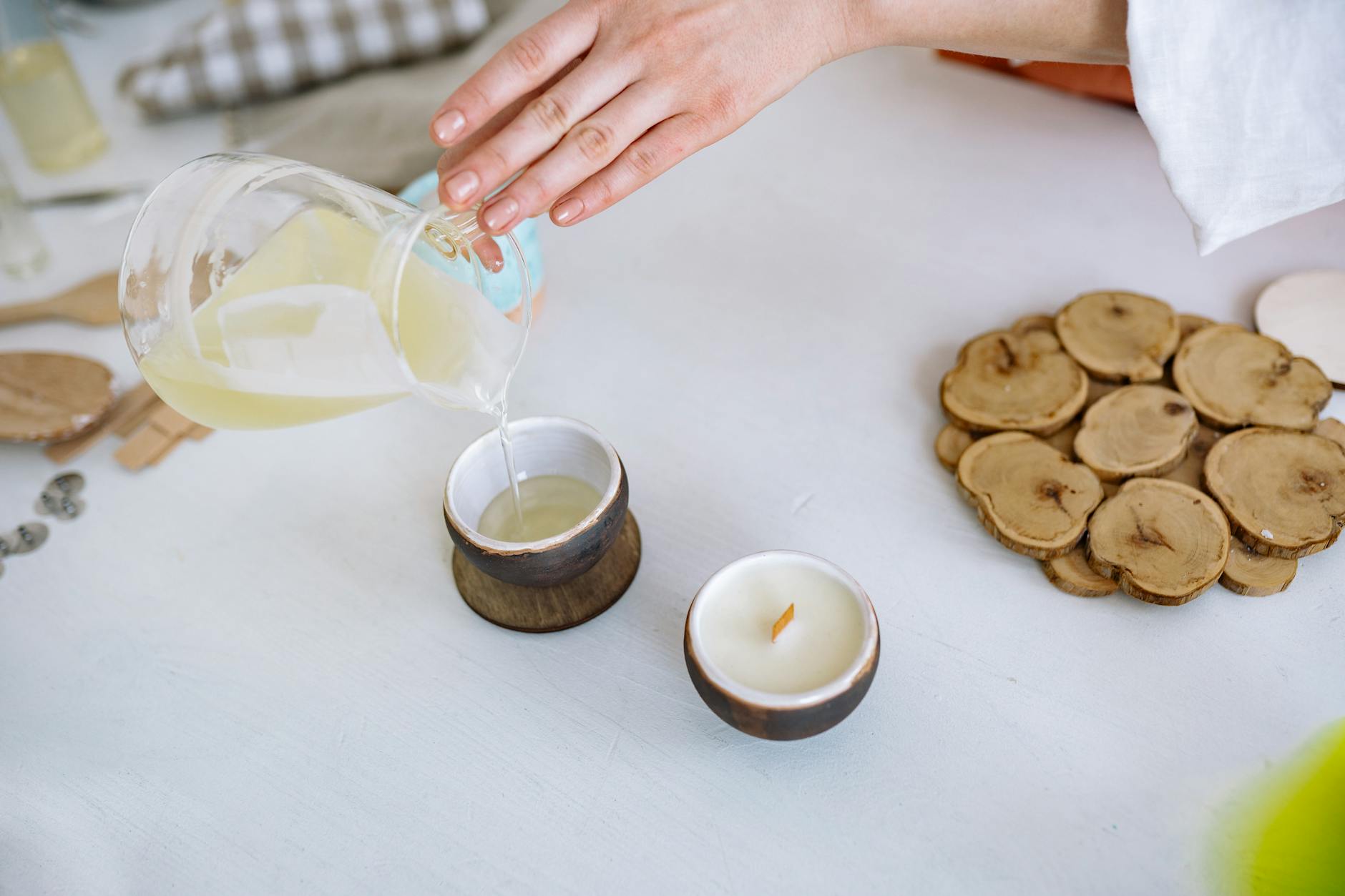
It is also worth noting that none of these waxes requires specialist equipment to get started. A double boiler or a heat-resistant jug placed in a pan of water, a thermometer, a pouring jug, and a reliable set of scales will take you a long way. As your confidence grows, you may wish to invest in a dedicated wax melter or temperature-controlled pouring pot, but these are refinements rather than necessities at the outset.
Conclusion
Choosing your first candle wax is less complicated than it might initially appear. Paraffin remains a practical and cost-effective option for those who want reliable results without a steep learning curve. Soy wax suits makers who want a cleaner burn and a more natural product, and who are happy to take a little extra care with temperatures and curing times. Beeswax rewards patience and investment with a product that is genuinely distinctive, long-burning, and rich in natural character. Whichever you choose, the fundamentals of good candle making — the right wick, accurate measurements, and careful temperature control — remain the same. Start with one wax, learn its behaviour, and build from there.